
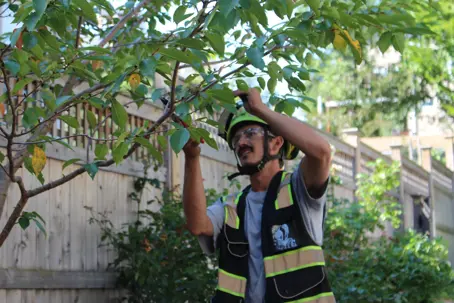
As the vibrant blossoms of May begin to fade, many Massachusetts homeowners think their landscape work is finished for the season. However, for those who prize their lilacs, rhododendrons, and forsythia, the most important work is just beginning. In the world of arboriculture, June is known as the golden window—a critical period where a few informed decisions can determine whether your landscape thrives or struggles next year.
Understanding the Biology of the Golden Window
To understand why June is so vital, we have to look at how spring-blooming plants operate. Most of our favorite New England early bloomers produce their flower buds on what arborists call old wood. This means that as soon as this year's flowers drop, the plant immediately begins the technical process of developing the buds that will become next spring’s display.
If you wait until autumn or winter to prune these species, you are physically removing the flowers you’ve been waiting all year to see. By timing your maintenance for June, you are working in harmony with the plant's natural life cycle.
Common local species that require this specific June attention include:
- Lilacs: These iconic shrubs need prompt pruning to prevent them from becoming leggy and to encourage larger flower clusters.
- Rhododendrons and Azaleas: Deadheading spent blooms helps the plant redirect energy into root and bud development.
- Forsythia: Because these grow so vigorously, June is the best time to manage their shape before they become overgrown.
- Mountain Laurel: Our native evergreen shrubs benefit from careful thinning to maintain their structure and health.
The Science of the Precision Cut
Pruning is more than just cutting back a bush. When done correctly, it is a surgical process that improves the plant’s internal environment. Credentialed staff look for specific structural issues that the average eye might miss. A professional approach ensures that every cut serves a purpose for the plant's long-term health.
When professionals evaluate your ornamentals in June, they focus on several key goals:
- Improving Airflow: Thinning out dense centers reduces humidity, which is the primary cause of summer leaf spots and fungal diseases.
- Light Penetration: Ensuring sunlight can reach the interior of the plant prevents the "hollow" look where leaves only grow on the very outside.
- Structural Integrity: Removing weak or crossing branches helps ornamental trees like Dogwoods and Japanese Maples better withstand summer thunderstorms.
Why Professional Stewardship Matters
While many homeowners own a pair of shears, there is a significant difference between "trimming" and professional arborist services. Improper pruning can lead to flush cuts that never heal or stubbing that invites decay and pests.
Professional teams don't just provide a service; they provide informed recommendations based on the unique species and soil conditions of your property. They use specialized, sharp tools that create clean wounds, allowing the tree to naturally seal the area quickly. This is especially important in the humid Massachusetts summer when wood-boring insects are most active.
Maintaining Your Investment Through the Summer
Your landscape is a living investment. Proper pruning is the first step, but total stewardship involves a holistic approach to plant health care. As the temperatures rise, a well-pruned shrub is much more resilient to the stresses of drought and heat.
To keep your ornamentals in peak condition after their June pruning, consider these steps:
- Check soil moisture: Even established shrubs may need deep watering during a dry New England July.
- Monitor for "suckers": Keep an eye out for rapid, vertical growth at the base of trees that can drain vital nutrients.
- Maintain mulch levels: A thin layer of organic mulch helps keep the root zone cool and moist.
Protecting Your Landscape's Future
June is the bridge between the beauty of spring and the resilience of summer. By taking action now, you aren't just cleaning up old flowers; you are ensuring the structural safety and future beauty of your entire yard. Whether you are looking to revitalize an old lilac hedge or protect a prized Japanese Maple, the expertise of a professional arborist is your best tool.
At Barrett Tree Service East, we view your yard as a complex ecosystem. Pruning isn't just about keeping things tidy; it is a form of scientific stewardship. By understanding the biological needs of your ornamental trees and shrubs during this transition from spring to summer, you can ensure your property remains a high-value asset that grows more beautiful with every passing season.
Don't miss the window for your spring-blooming shrubs! Contact our expert team today or call (617) 344-9964 to schedule a professional consultation and protect your property’s natural beauty.