
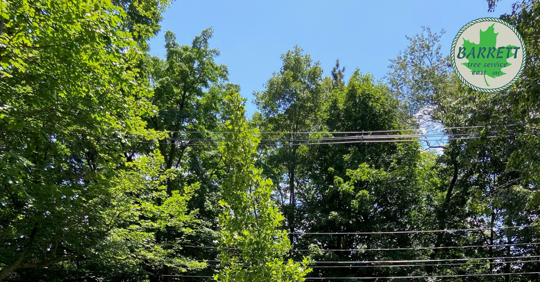
As the New England landscape transitions toward the warmth of summer, May becomes a critical window for protecting your property. While we look forward to the peak outdoor season, this is also the busiest time for some of our state’s most destructive guests. As temperatures rise, several invasive and native pests begin their active life cycles, looking to call your high-value trees home. Left unchecked, these early-season infestations can spread quickly, leading to significant structural damage or the loss of the silent giants that define your property.
Understanding the science of pest management is the first step in being a good steward of your landscape. By educating yourself on what to look for, you can save money on emergency removals and protect the long-term health of the local urban canopy.
Identifying the Big Three Massachusetts Summer Pests
While there are many insects that inhabit our trees, three specific pests cause the most concern for local homeowners during the summer months. Identifying these early is critical to successful preservation.
- Asian Longhorned Beetle is a particularly dangerous invasive species that attacks many types of hardwoods, especially Maples.
- Emerald Ash Borer continues to be a major threat, systematically destroying Ash trees across the Commonwealth.
- Spongy Moths (formerly known as Gypsy Moths) can quickly strip a tree of its leaves, leaving it weak and vulnerable to other health issues.
Keep a close eye out for these specific physical signs:
- Perfectly round exit holes about the size of a dime in the trunk or large branches.
- S-shaped tunnels etched into the wood just beneath the bark.
- Large sections of missing leaves or skeletonized foliage where only the leaf veins remain.
Why Proactive Health Management Works
The best way to fight pests is to ensure they never find a foothold on your property. A tree that is stressed by drought or poor soil is like a person with a weakened immune system; it becomes a much easier target for infestations.
This is where informed plant health care makes a world of difference. By maintaining proper soil biology and moisture levels, you help the tree produce its own natural chemical defenses. When a tree is healthy, it can often pitch out or survive minor pest activity that would kill a weaker specimen.
To bolster your landscape's natural defenses, follow these proactive steps:
- Ensure your trees receive deep, slow watering during the hot, dry stretches of July and August.
- Avoid using heavy, high-nitrogen fertilizers during an active infestation, as this can sometimes encourage pest growth.
- Maintain a thin layer of organic mulch to keep the soil cool and moist, reducing the overall stress on the root system.
The Danger of Ignoring Minor Symptoms
It is a common mistake to think that a few yellowing leaves or a small patch of sawdust at the base of a tree is just a normal part of the summer season. However, many pests do their worst damage deep inside the wood where you cannot see them. By the time the entire canopy looks sick, the internal damage may already be irreversible.
A professional tree inspection is the most effective tool for catching these hidden problems. Credentialed arborists use their academic training to spot subtle clues—like canopy thinning or specific bark patterns—that indicate an infestation is just beginning. Catching a pest in the early stages often means we can use targeted treatments instead of having to resort to removal.
Don't ignore these subtle warning signs:
- Sawdust-like material (known as frass) is accumulating in the crevices of the bark or on the ground.
- Increased woodpecker activity, as birds often peck at the bark to find the larvae hiding underneath.
- Wilting or browning leaves at the very top of the tree while the rest of the canopy still looks green.
Professional Stewardship and Safe Solutions
Managing pests in a modern landscape requires a balance of high-level science and ethical care. At Barrett Tree Service East, we prioritize the use of targeted, eco-friendly treatments that protect your trees without harming the beneficial insects, like bees and butterflies, that your garden needs.
As an employee-owned company, our technicians have a personal stake in the results we deliver. We don't believe in blanket spraying your entire property. Instead, we use informed diagnostics to apply exactly what is needed, where it is needed. This authoritative approach is what sets a TCIA Accredited company apart from a standard lawn service.
Our expert team can help you stay ahead of infestations with:
- General tree care: Providing professional pruning and structural maintenance to remove deadwood and improve canopy strength against New England weather.
- Tree inspection: Regular professional check-ups to catch invasive species before they spread to your neighbors.
- Arborist services: Consultations to help you decide if a tree can be saved or if a safe removal is necessary to protect the rest of your canopy.
Protecting Your Landscape for the Long Haul
Your trees are more than just part of the scenery; they are high-value assets that provide shade, privacy, and beauty to your home. Taking the time to learn about pests and staying proactive with your maintenance is an investment that pays off in a safer, more vibrant property.
If you suspect your trees might be under attack or if you simply want to ensure they stay protected this season, our neighborly experts are here to provide the scientific guidance you need. Let's work together to keep the silent giants of Massachusetts thriving for years to come.
Don't wait for the leaves to fall. Protect your trees today. Contact our expert team to schedule your pest evaluation or health consultation, or call (617) 344-9964.