
Assessing Tree Health
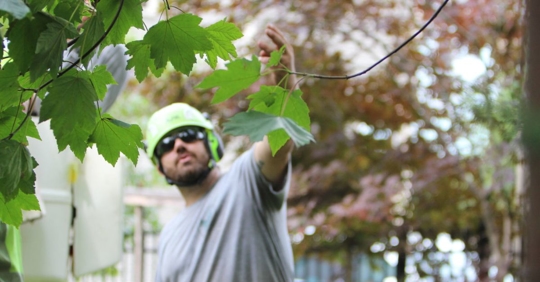
Ensuring the health of your trees is essential, not only for their growth but for the overall appeal and safety of your property. A healthy tree often features a robust structure with vibrant leaves and a full canopy. Conversely, indicators of poor health might include wilting leaves, excessive leaf drop, or a sparse canopy. When evaluating your trees, observe any discolored leaves or unusual patterns, as well as symptoms like bark shedding or cracks. These can often be early warning signs of underlying issues that, if left unaddressed, could escalate into more severe problems. Visual symptoms such as brittle branches and unusual coarseness on the bark might denote lurking diseases or pest infestations. Regular assessments can help you catch these issues early, mitigating damage and fostering long-term health.
In addition to visual assessments, it's crucial to check for diseases, pest infestations, and structural damage. Start by closely inspecting leaves for peculiar spots or deformities, which frequently indicate fungal infections or nutrient deficiencies. Check the bark for oozing sap or sawdust-like residues, which might suggest pest activity. Structural integrity is just as important; look for cracks or splits in the trunk, which can predispose the tree to breakage, especially in high winds or storms. Being informed about these potential problems helps you take swift action, whether that involves embracing preventive measures or engaging professional help. Regular health checkups for your trees aren't just good practice; they are a necessity for the serene green spaces adorning home.
Importance of Soil and Nutrients
A tree's health is heavily influenced by the soil it is planted in, as soil acts as both a growth medium and a nutrient reservoir. Different tree species thrive in particular soil types that support their nutrient uptake and root development. Well-drained, loamy soil is often ideal for many types of trees, providing a good balance of moisture and nutrients. On the other hand, compacted and waterlogged soils can hinder growth and contribute to root diseases. To better understand the needs of your trees, consider conducting a soil test. Soil tests provide essential information about pH levels and nutrient content, helping you tailor your care approach. By interpreting these results, you'll know whether your soil needs amending to accommodate the particular species of tree in your yard.
Once you have a grasp on your soil conditions, adjusting your fertilization practices is the next step in fostering a thriving landscape. Different trees have varied nutritional requirements, so applying a one-size-fits-all fertilization schedule rarely yields the best results. For instance, nitrogen-rich fertilizers are beneficial for leaf growth, while phosphorus aids in root development and flower or fruit production. Tailoring your fertilization schedule to suit the species and age of your trees is crucial to promoting sustained health and vitality. Regular fertilization should align with your soil test results, as this ensures trees receive the right nutrients in the right balance. Mediating nutrient deficiencies not only improves the immediate health of your trees but also sets the stage for long-term health and longevity.
Proper Pruning Practices
Pruning is more than just snipping branches; it's an art and science that, when done correctly, can significantly enhance a tree's health and aesthetic. Proper pruning practices encourage growth, improve light and air penetration in the canopy, and help to manage disease by removing dead or diseased wood. Timing is a key component to success—most trees benefit from winter pruning, which promotes vigorous spring growth. However, some species might require specific schedules, so it's crucial to know your trees' specific needs. Avoid the common pruning mistake of cutting too close to the trunk, which can cause damage that impedes healing. Instead, make clean, precise cuts, adhering to the natural branch collar to ensure optimal recovery.
Awareness of pruning blunders is essential, as improper techniques can lead to more harm than good. One such example is "topping," which involves indiscriminately cutting back branches to reduce a tree's height. This practice often results in weak, unhealthy growth prone to disease and damage. An equally ill-advised practice is over-pruning, which can stress the tree, depleting its resources and affecting its ability to withstand environmental pressures. To navigate these challenges, enlist a certified arborist when in doubt—their expert touch ensures your trees are pruned with care and expertise. This not only preserves their natural beauty but also sets the stage for lush growth that's a sight to behold in your landscape.
Effective Watering Strategies
Watering is a fundamental aspect of tree care that influences a tree's health, development, and resilience to environmental stresses. Just as with human needs, trees require water in the right quantity and at the right time. Young and newly transplanted trees need consistent and regular watering to establish a robust root system. During the first couple of years, focus on watering these trees deeply and infrequently to encourage roots to grow deeper into the soil. Mature trees, on the other hand, have established root systems that demand water less frequently but still require consistent moisture during dry spells. Be mindful of the signs of overwatering, such as yellowing leaves or fungal growth, as these indicate the need to adjust your watering routine.
Drought tolerance varies among tree species, adding complexity to the watering equation. Some trees can withstand extended dry periods thanks to their deep root systems or adaptations that prevent water loss. However, even drought-tolerant species appreciate supplemental watering during prolonged dry spells to maintain health. Observing your trees regularly can alert you to symptoms of water stress, such as leaf wilt or curled edges. By proactively managing your watering strategy, you ensure that your trees stay healthy, beautiful, and prepared to withstand the challenges seasonal weather throws their way.
Spring and Summer Care
Spring and summer belong to the dynamic duo of growth seasons, demanding an active and attentive approach to your tree care routine. During spring, reanimate your trees with periodic fertilization and monitor any sudden springtime threats from pests. High on the spring agenda is careful watering to prepare your trees for the spiking temperatures ahead. Summer months bring unique challenges such as heat and insects that can stress trees if not managed correctly. This is the time to complete a checklist that might include pest control applications, checking for canopy diseases, and conducting light mulching to conserve soil moisture. Observing your trees regularly during these months can act as an early warning system for seasonal diseases and their associated pests.
An ongoing battle during spring and summer is staying vigilant about emerging seasonal diseases such as anthracnose and powdery mildew. These thrive in high humidity and can spread swiftly through susceptible trees. Regular visual inspections aided by a strong water hose can remove visible mildew. For more ingrained battles, reach out for chemical intervention targeting specific pests or diseases. Remember, timely and appropriate intervention harmonizes with an environmentally responsible approach, ensuring your trees remain vibrant and robust throughout the growth-rich months of warmer seasons.
Fall and Winter Preparation
As autumn rolls in with its palette of transforming foliage, it presents the perfect time to prepare your trees for the inevitable chill of winter. Start by clearing any fallen leaves or debris around the base of trees to prevent fungus and pests from overwintering there. Consider fall fertilization, focusing on phosphorus and potassium to bolster root development. Protective measures like adding a layer of mulch around the tree base can insulate roots against freezing temperatures and help keep the soil moist. Structural stability should also be assessed, as snow and ice can exacerbate pre-existing weaknesses. Inspect your trees carefully for any damage and prune away those which might prove hazardous under the pressure of heavy snowfall.
Winter preparation doesn't end once leaves have covered the ground. Regular visual inspections should continue, looking for signs of frost cracks or broken branches. Wrapping sensitive trees with burlap or specially designed tree wraps can protect the bark from harsh winter winds and sunscald. As soon as winter loosens its grip, be ready to assess for cold damage and initiate any necessary corrective maintenance, such as pruning and disease management. These proactive measures ensure your trees remain healthy through the biting cold, ready to spring back to life when temperatures rise.
Pest and Disease Management
Promoting the longevity of your trees involves vigilant pest and disease management. Common culprits like aphids, borers, and caterpillars can wreak havoc on your trees if not kept in check. Identification is crucial; understanding what you're up against allows you to apply targeted control measures. Organic options such as neem oil or insecticidal soap can provide environmentally friendly control, whereas chemical treatments might be necessary for severe infestations. The choice between organic and chemical solutions should weigh the health of your trees against environmental considerations, aiming for a balanced approach.
Preventive measures often offer the best line of defense against pest and disease pressure. Encouraging natural predators like ladybugs or birds adds a biological control element to your garden ecosystem. Cultural practices such as selecting resistant tree varieties and maintaining proper sanitation by removing diseased debris further help mitigate risks. By employing a robust pest and disease management strategy, you're ensuring that your trees remain resilient and healthy, enhancing the verdant charm of your property.
Structural Support and Safety
Sometimes trees require a little extra help to maintain their form and stature, which is where structural support systems like cabling and bracing come into play. These methods address potential weaknesses in trees, such as splitting branches or forked trunks, by providing additional stability. Implementing these systems can prevent catastrophic failures during severe weather. Regular tree inspections are paramount, allowing you to spot these vulnerabilities before they escalate into hazardous situations. A professional arborist can assess and implement these structural supports, ensuring your trees' health and safety remain uncompromised.
The importance of regular inspections cannot be understated; they serve as proactive measures to avert potential disasters. These inspections reveal not only visible weaknesses but also signs of underlying issues invisible to the untrained eye. Engaging an experienced arborist equips you with the expertise to address these risks before they become major safety concerns. In fostering structural integrity and ensuring ongoing regular checks, you’re not just protecting your trees—you're safeguarding your home's landscape and its inhabitants from avoidable dangers.
Tree Planting and Relocation
Tree planting and relocating require meticulous planning and execution. Young trees must be planted with considerations for their future size and their environmental role. Take into account the site's sunlight, space requirements, and soil conditions to ensure the tree thrives. Proper technique involves creating a planting hole as deep but slightly wider than the tree's root ball and applying a balanced amount of mulch around its base. Relocating trees presents additional challenges, but when executed correctly, it can rejuvenate the landscape or save cherished trees from unsuitable locations. The key to success lies in careful execution during dormant periods to minimize stress on the tree.
Establishing healthy tree populations through these practices not only enhances your property but contributes to wider environmental benefits. Acting as nature’s lung, trees play a crucial role in air quality improvement, and their shade helps reduce energy costs. Strategically planted trees increase property value, both aesthetically and financially, while providing wildlife habitats. Encouraging native species caters to local biodiversity, ensuring your landscaping efforts align with eco-conscious principles. Efforts in tree planting and relocation represent sustainable practices with long-term returns—not just for your home, but for the planet at large.
Environmental Benefits and Home Value
Trees do more than just adorn our properties—they redefine them in ways both practical and invaluable. One of their most compelling benefits is their ability to reduce energy costs. Carefully positioned, they provide shade that cools properties in the summer and acts as a windbreak in colder months, improving energy efficiency. Beyond this functional aspect, trees contribute significantly to air quality, filtering pollutants and absorbing carbon dioxide while releasing oxygen. These ecological contributions benefit the planet and our immediate environment, paving the way for happier, healthier homes.
Moreover, the aesthetic advantage of trees cannot be overlooked, providing an artistic flair that elevates the value of a property. Homebuyers are often drawn to beautifully treed landscapes that suggest a well-tended home. Prospective homeowners value these spaces for their tranquility and sense of permanence they confer. For those conscious of maintaining sustainability, planting low-maintenance and native species aligns with both ecological responsibility and minimal upkeep needs. These strategies bolster your property's market appeal and reflect a commitment to the environment and consumer values alike, making your property truly stand out.
For Tree Care You Can Trust, Reach Out to Barrett Tree Service East
Homeowners should embrace proactive, environmentally friendly practices that celebrate trees' multifaceted benefits. Whether you seek guidance on tree health, professional treatments, or sustainable practices, Barrett Tree Service East stands ready with expert tree care services tailored to your landscape's unique needs. Connect with us to ensure your trees remain a vibrant cornerstone of your home and community.
Call Barrett Tree Service East now at (617) 344-9964 or reach out to us online.